

Pymetrozine Insecticide Manufacturer in China: Quality Solutions for Pests
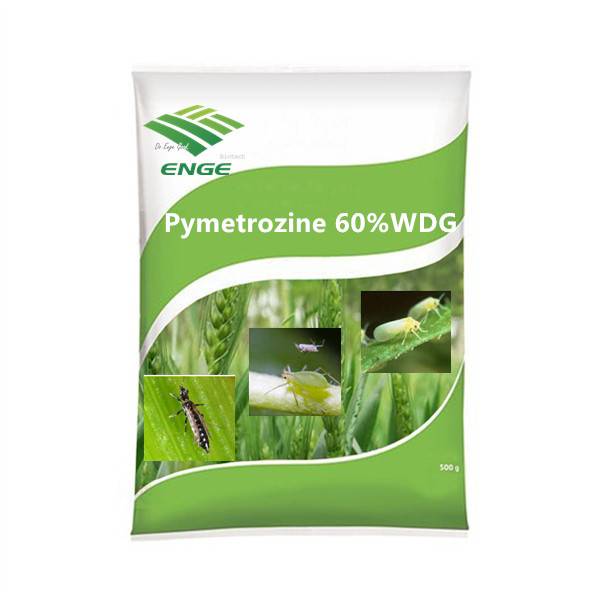
As a B2B purchaser, I know how crucial effective solutions are for pest management. Pymetrozine insecticide is a top choice for controlling greenhouse pests, particularly aphids and whiteflies. Its unique mode of action minimizes harm to beneficial insects, making it a standout in sustainable agriculture. When I think of reliable sources, China comes to mind. With its extensive agricultural sector, many manufacturers there produce high-quality Pymetrozine. Partnering with a reputable Chinese manufacturer not only ensures a steady supply but also brings advanced formulations that enhance crop yield and protect profits. Choosing Pymetrozine provides peace of mind, knowing I'm using a product that aligns with modern agricultural practices. Let’s prioritize effective pest control while supporting global sustainability efforts together!
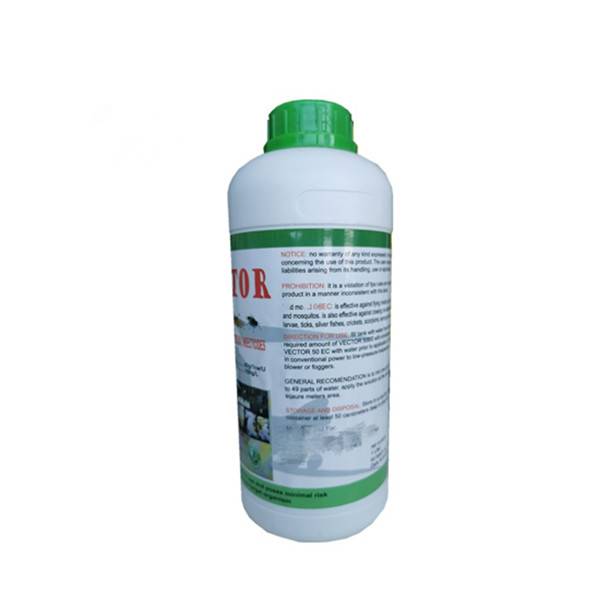

Pymetrozine insecticide Application in 2025
As we look towards 2025, the agricultural sector is increasingly focused on sustainable solutions to pest management. Pymetrozine, a specialized insecticide, stands out due to its selective action on sap-sucking insects, particularly aphids and whiteflies, which pose significant threats to various crops. Its unique mode of action helps in protecting beneficial predatory insects, thus contributing to the overall ecological balance on farms. The application of Pymetrozine in 2025 promises to be more efficient with advancements in technology and formulation. Enhanced application methods, including precision agriculture tools, will enable farmers to optimize usage, minimizing chemical input while maximizing crop protection. As global demand for high-quality produce continues to rise, the importance of effective pest control solutions like Pymetrozine cannot be overstated, especially in areas where conventional insecticides have become less effective due to resistance. For global buyers and agricultural stakeholders, integrating Pymetrozine into pest management strategies offers a forward-looking approach to ensure sustainable yields. By focusing on this innovative insecticide, we can collectively address the challenges of pest resistance and strive for a more resilient agricultural ecosystem in 2025 and beyond. Emphasizing responsible use and best practices will not only enhance crop productivity but also contribute to the overarching goal of food security worldwide.
Pymetrozine Insecticide Application in 2025
| Application Date | Target Crops | Target Pests | Application Method | Dosage (g/ha) | Geographical Region | Environmental Impact Rating |
|---|---|---|---|---|---|---|
| 2025-03-15 | Cotton | Aphids | Foliar Spray | 200 | Southwest USA | Low |
| 2025-04-10 | Vegetable Crops | Whiteflies | Soil Application | 150 | Southeast Asia | Medium |
| 2025-05-25 | Rice | Planthoppers | Aerial Application | 180 | Eastern Asia | Low |
| 2025-06-30 | Soybean | Spider Mites | Ground Spraying | 220 | Midwest USA | Medium |
Related Products


Pymetrozine insecticide Delivers Unmatched Quality Guarantees Peak Performance
Top Selling Products

- Related Blog
- Reviews
