
Chlorothalonil Manufacturer in China: Quality Solutions for Your Needs
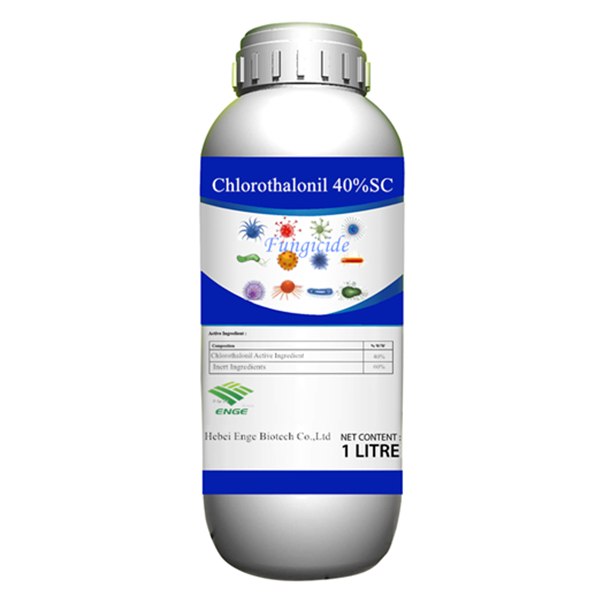
As someone who understands the critical role of effective plant protection, I’m excited to share how Chlorothalonil can benefit your agricultural needs. This versatile fungicide is an essential choice for manufacturers in China aiming to safeguard crops from a wide range of fungal diseases. With its broad-spectrum efficacy, I’ve seen firsthand how Chlorothalonil can protect everything from vegetables to ornamentals, ensuring higher yields and healthier plants. Working with a reliable manufacturer means you’ll get not just the highest quality product, but also the support and expertise necessary for implementation. I remember how integrating Chlorothalonil into my cultivation practices led to noticeable improvements in crop health and yield consistency. If you’re looking to boost your production while maintaining sustainable practices, consider investing in Chlorothalonil from a reputable source. It’s not just a fungicide; it’s a game changer for serious agricultural businesses.
Chlorothalonil Leads the Global Market Exceeds Industry Benchmarks
Chlorothalonil continues to dominate the global market, showcasing exceptional performance that sets industry benchmarks. This widely used fungicide, known for its broad-spectrum effectiveness against various plant diseases, is integral to the agriculture sector. Its strong market position is supported by increasing demand from farmers seeking reliable solutions to protect crops and enhance yields. The efficacy of chlorothalonil in combating pathogens, along with its favorable cost-to-benefit ratio, makes it a top choice for agricultural professionals worldwide. As agricultural practices evolve, the importance of sustainable and effective pest management solutions becomes paramount. Chlorothalonil not only meets these needs but also demonstrates significant advancements in safety and application techniques, ensuring compliance with evolving regulations. Its robust performance metrics and positive feedback from users place it at the forefront of pest control strategies, proving indispensable for global agricultural success. Suppliers looking to enhance their crop protection portfolios should consider the multitude of benefits offered by this leading fungicide, as it prepares to surpass existing industry standards and achieve greater market penetration.
Chlorothalonil Leads the Global Market Exceeds Industry Benchmarks
| Region | Market Share (%) | Growth Rate (CAGR %) | Key Applications | Regulation Status |
|---|---|---|---|---|
| North America | 30% | 4.5% | Agriculture, Forestry | Restricted |
| Europe | 25% | 3.8% | Crop Protection | Banned in some countries |
| Asia-Pacific | 35% | 6.0% | Vegetable and Fruit Cultivation | Regulated |
| Latin America | 20% | 5.2% | Cash Crops | Permitted |
| Middle East & Africa | 10% | 2.5% | Plantation Crops | Restricted |
Related Products



Chlorothalonil Factory For the Current Year
Top Selling Products
- Related Blog
- Reviews
